eDOlingo
Streamlining Localization Workflows Through Automation and Design Integration
Context
A well(?) oiled machine
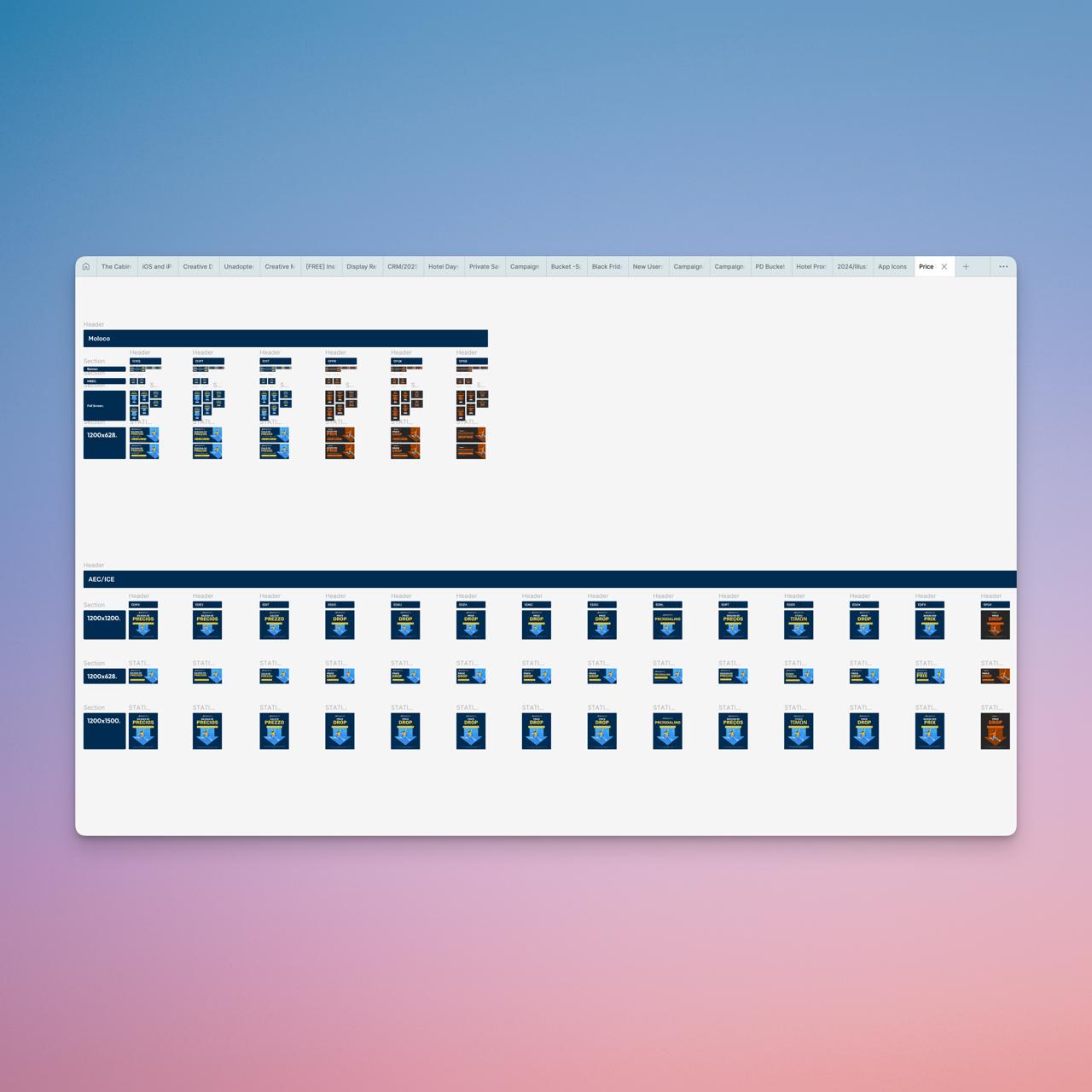
eDreams ODIGEO is a global travel technology leader managing four brands across over 20 international markets. The Brand Design team supports the Marketing department's frequent, multi-channel campaigns by producing an extremely high volume of assets. The workload is determined by the number of campaigns, brands, markets, and required formats, resulting in the team delivering approximately 1,200 assets per campaign.
The Problem
Craft, process, and the numbers
On the surface, a critical issue was evident: deliverables for major campaigns were consistently delayed, despite timely design approvals. To fundamentally resolve these issues, I initiated a deep, multi-faceted investigation. This involved:
- [bar_chart] Leveraging Data: Analyzing campaign data extracted from Jira.
- [automation] Process Examination: Scrutinizing historical localization workflows within Figma.
- [handyman] Tool Analysis: Evaluating the effectiveness and usage of current localization tools.
- [frame_person_mic] Stakeholder Insights: Conducting in-depth interviews with the design team to surface critical pain points and root causes contributing to the aforementioned problems.
Training, truth, and transition
The initial investigation yielded compelling and concerning data points. Analysis showed that 28% of campaign tickets required multiple revision rounds after the final design approval or were negatively affected by dependencies on other delayed deliverables. Based on current performance metrics, the team was projected to fall short of the next year’s goal of completing 40 tickets per week. This compelling data reinforced the urgency to identify and resolve the underlying causes of delays and errors. Fortunately, my deeper dive successfully uncovered the primary reasons for these issues, which are detailed below:
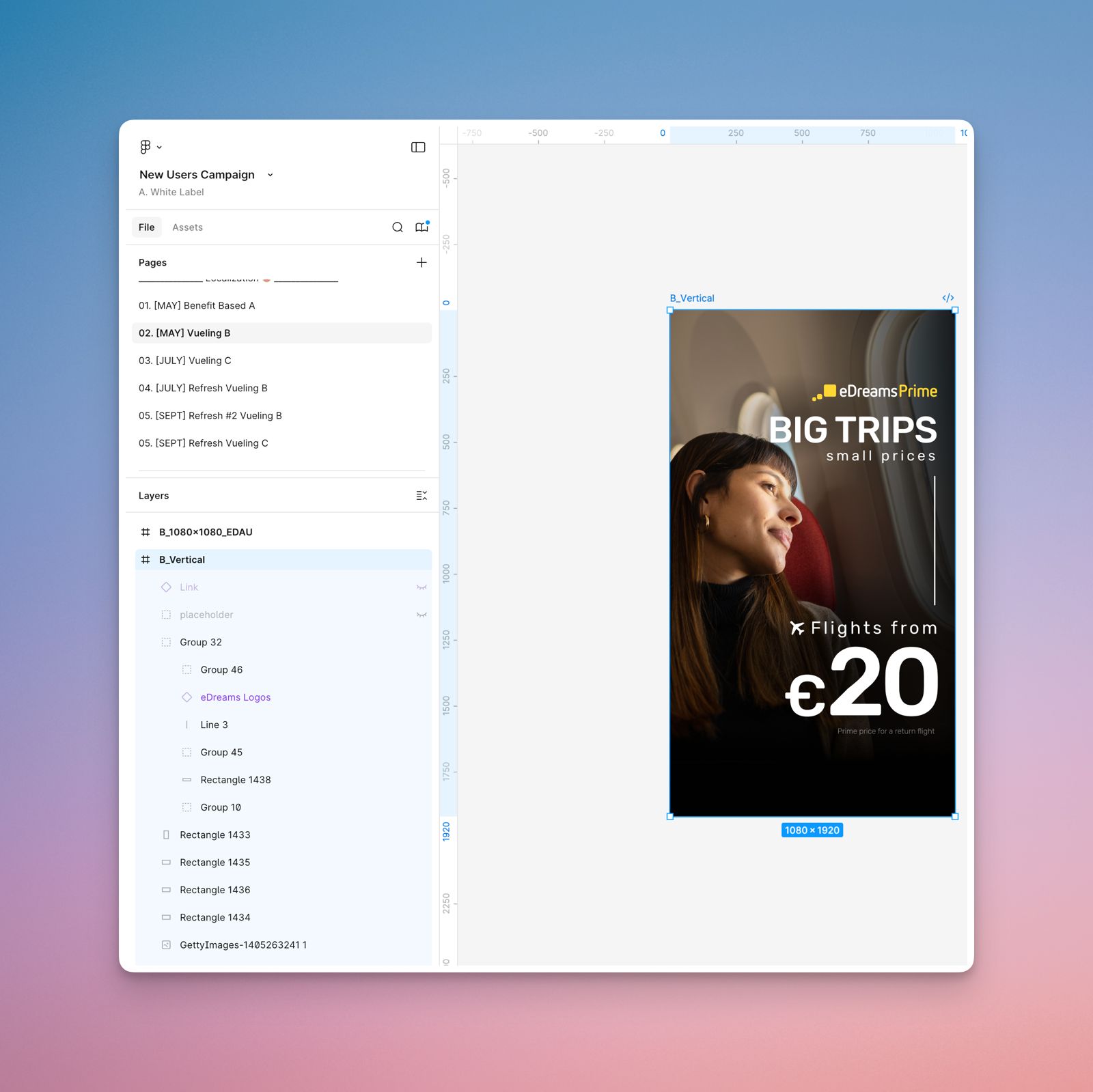
- [destruction] Fragmented Information Sources: Information necessary for localization was delivered by various stakeholders across different files, channels, and formats.
- [bug_report] Figma Tool Hygiene and Volume: The team's inconsistent adherence to Figma best practices either prolonged the production process or actively undermined the utility of internal Figma features.
- [error] Limited Tools: The newly purchased tools were hampered by critical limitations and complex user experience (UX) patterns.
Solution
Holistic perspective for effective answers
Based on what was discovered, I concluded that the solution for these problems had to take place through different fronts:
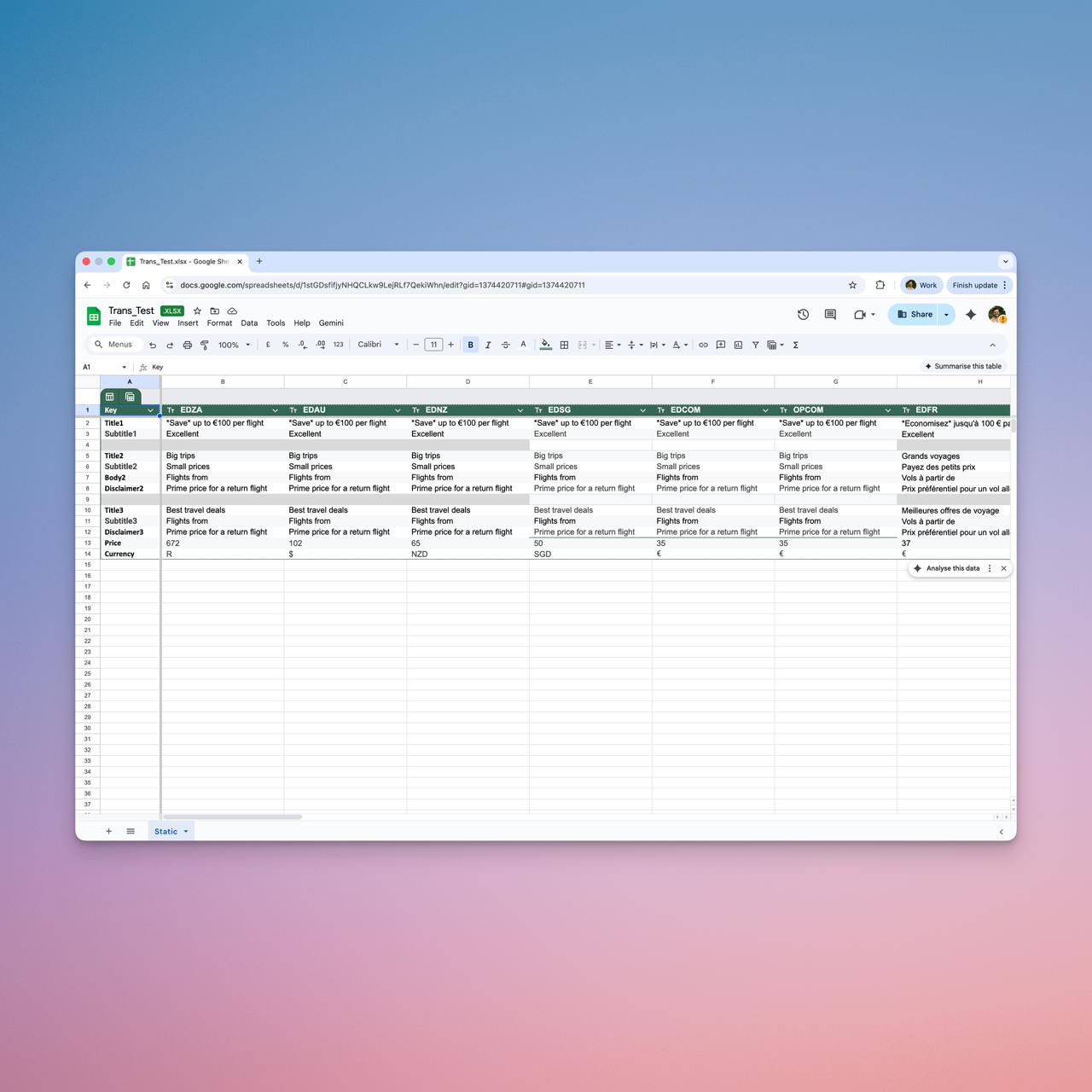
- [target] One Source of Truth: I synchronized all key localization teams (Copywriters, Tech, Product Marketing, and Brand) to collectively define and implement a Single Source of Truth. This standard was established and specifically designed to integrate seamlessly with the new automation tools being developed for both the Visual and Motion Design teams.
- [book] Figma Education: To optimize the remaining manual parts of the workflow, I developed and delivered targeted educational resources for the design team. The training focused on mastering Figma best practices, specifically the effective use of Auto Layout, Variables, and Componentization.
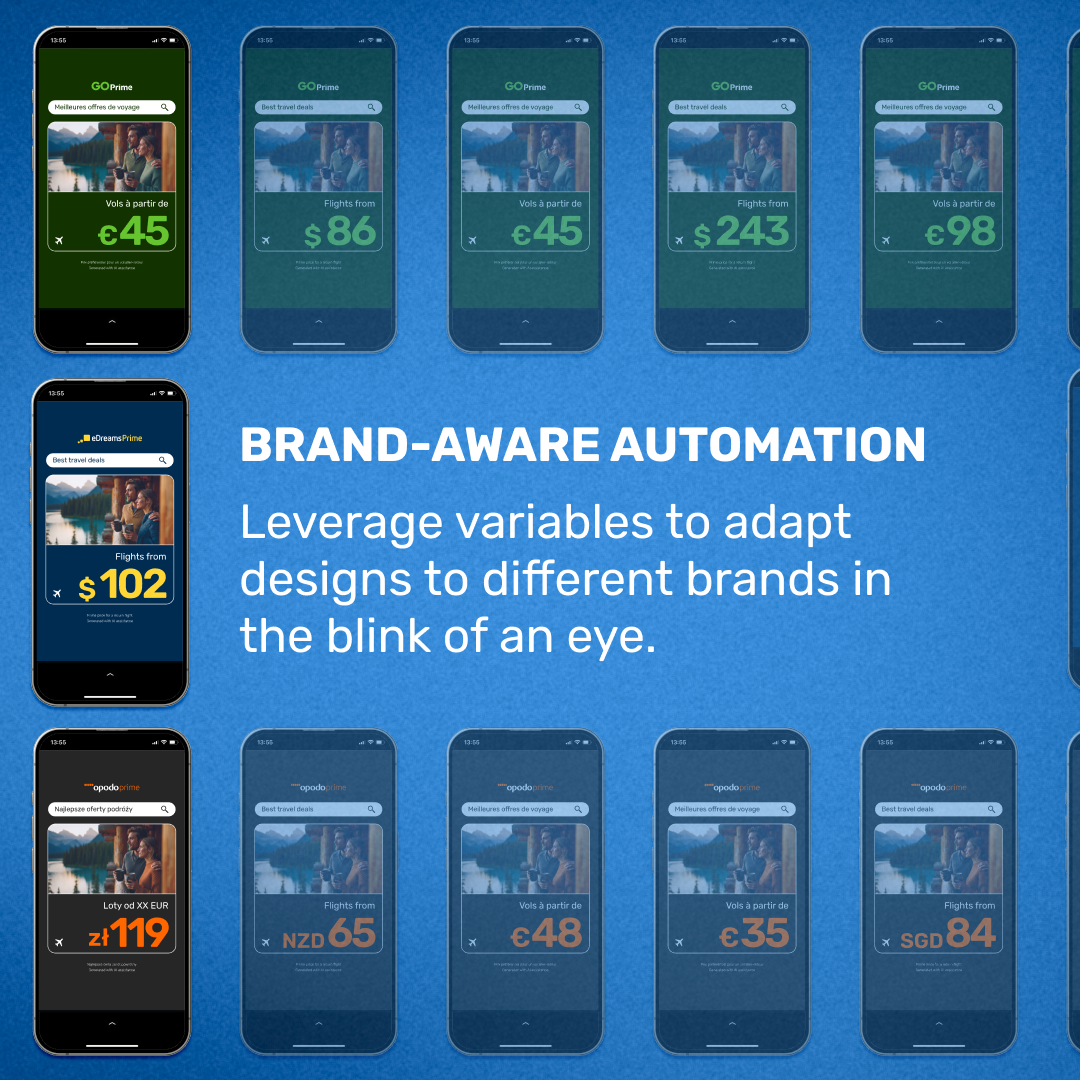
- [wand_shine] Integrated Automation Tools: I spearheaded the creation of advanced, AI-powered automation tools. This seamless integration strategy was crucial to minimize the learning curve and maximize tool adoption across the team.
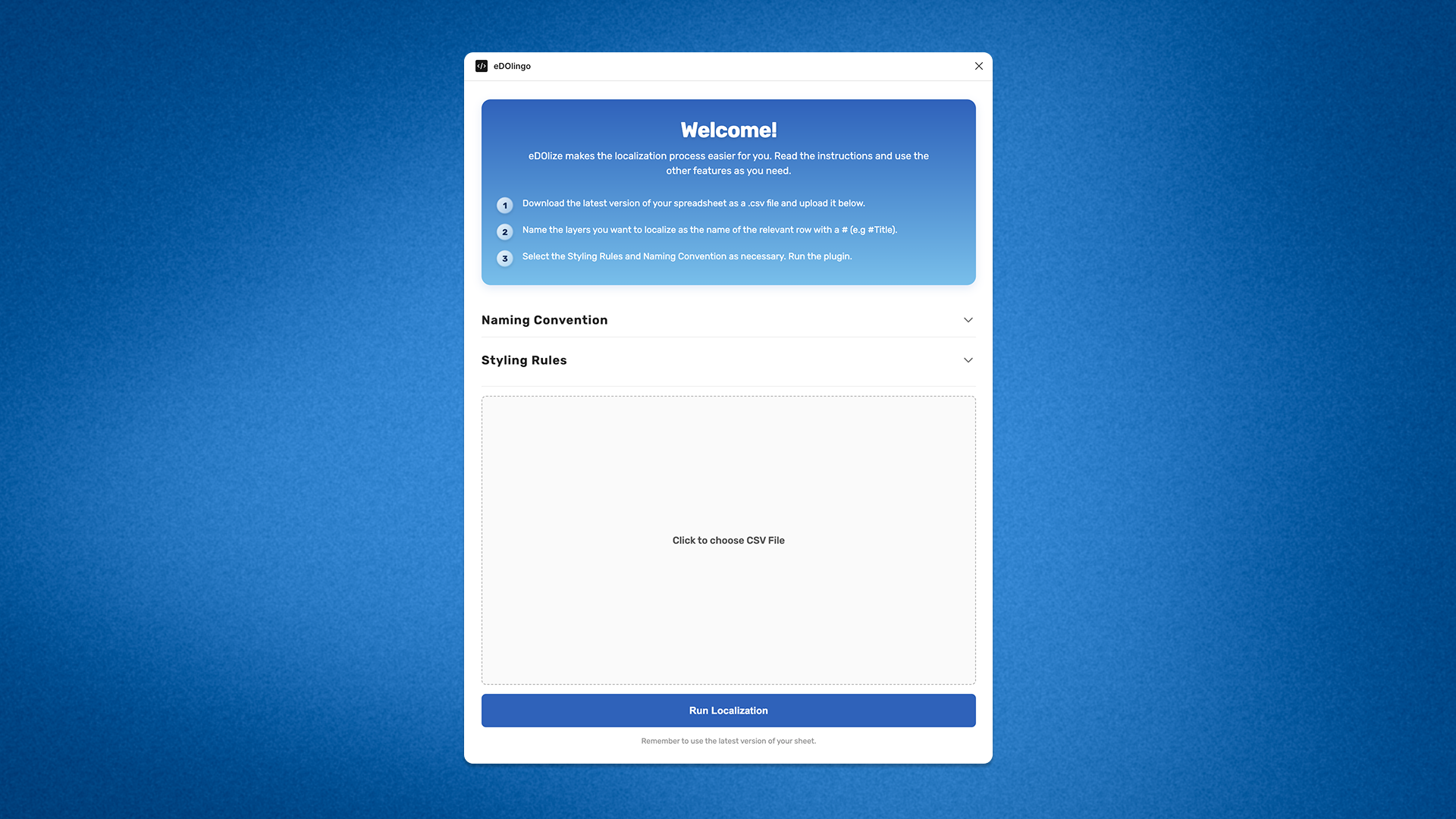
eDOlingo
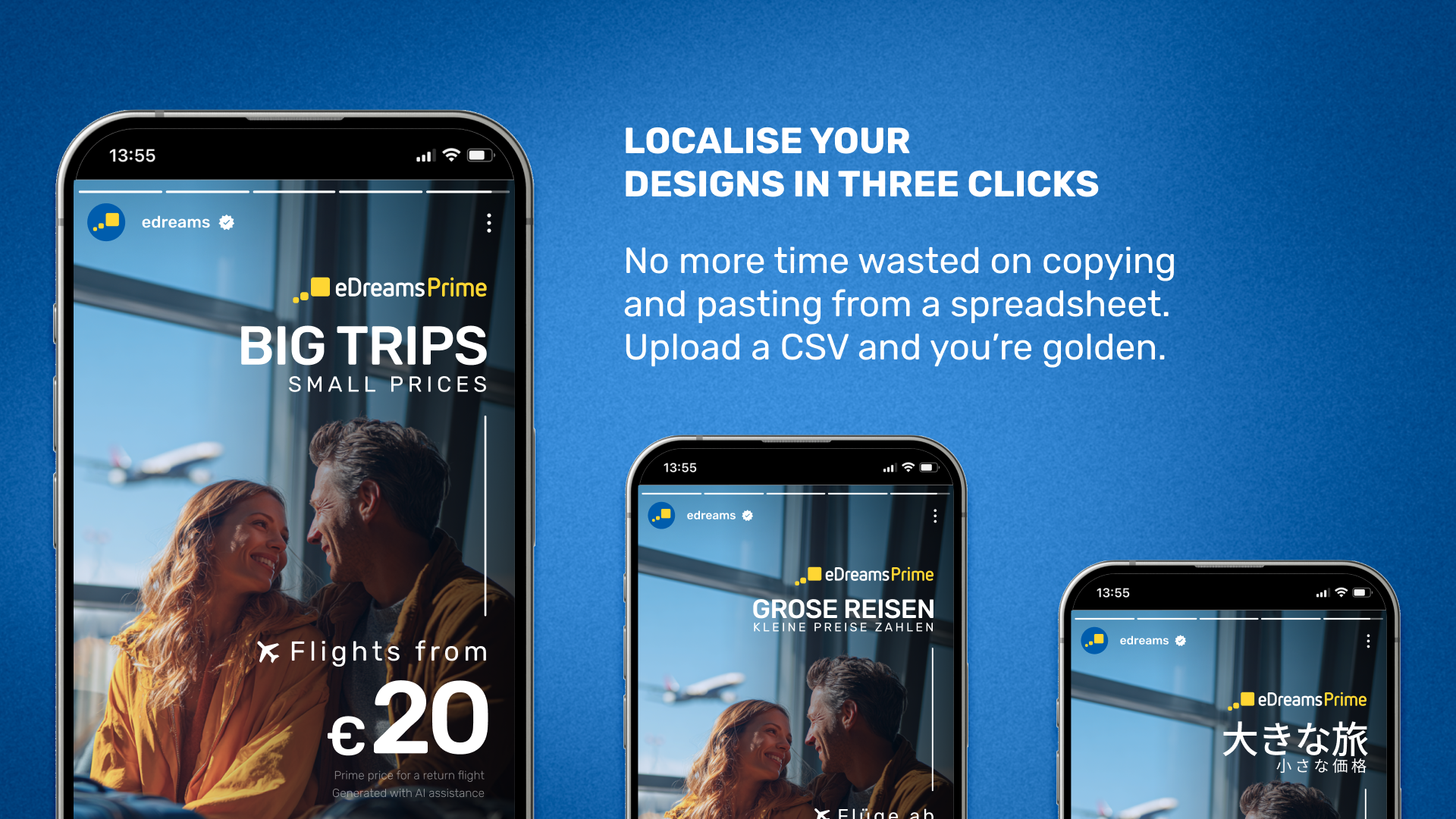
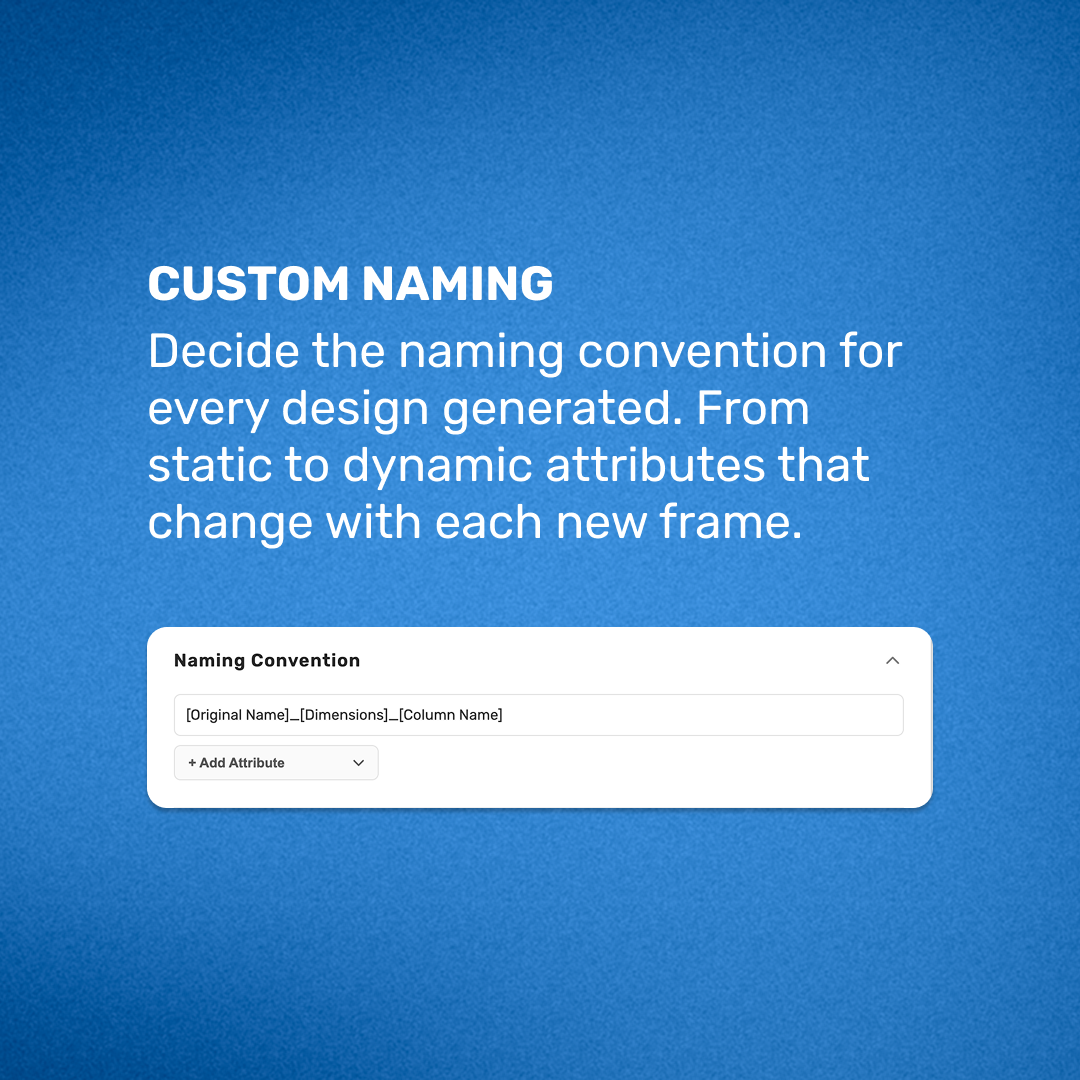
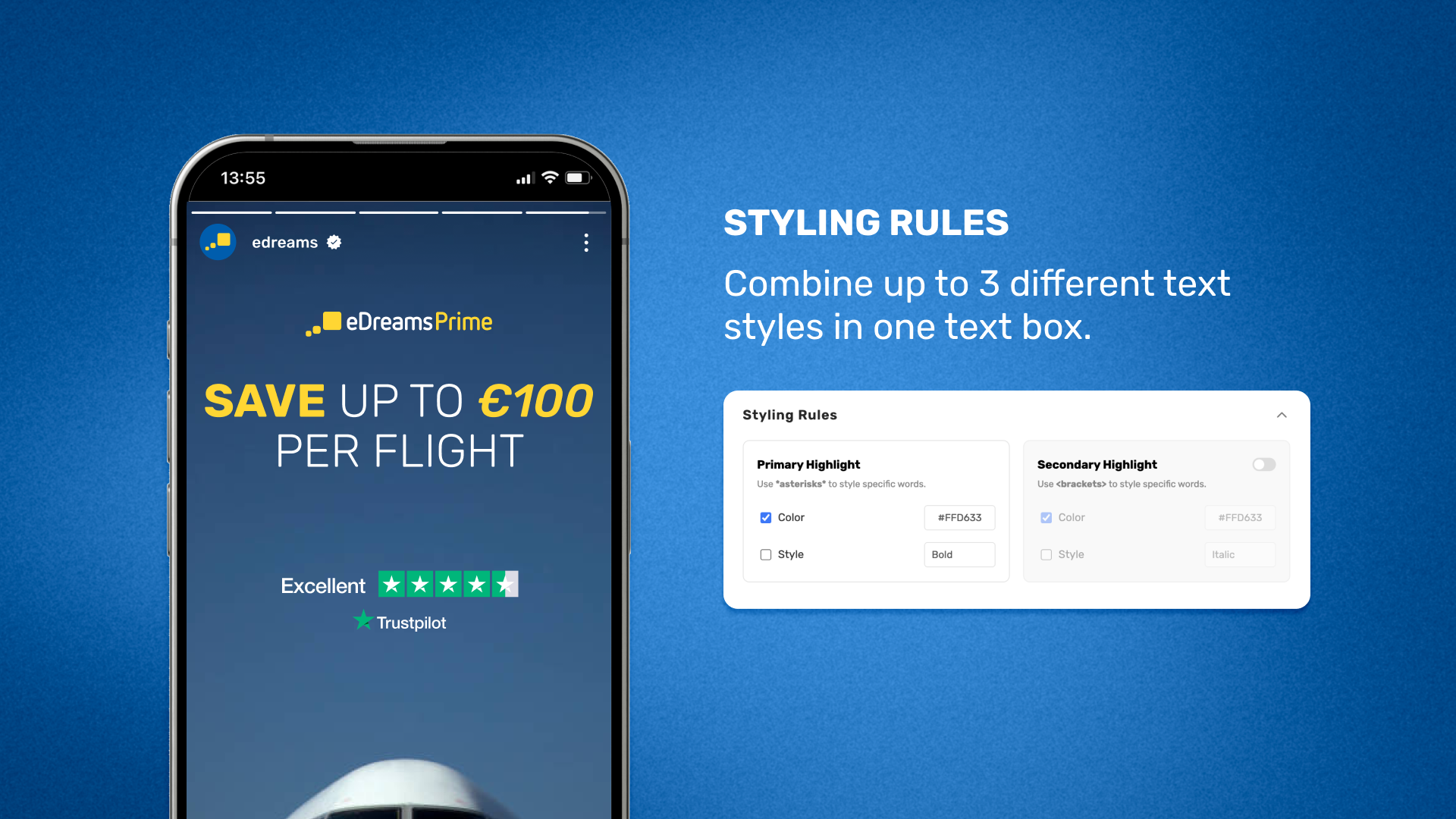
I developed a bespoke Figma plugin specifically tailored to the Visual Design team’s workflow. After defining the feature set and user interface, I leveraged Gemini to support the coding process, ensuring the final tool adhered to Figma’s technical requirements and standards.
Impact
- [group] Synchronization: The Creative Team and other stakeholders (Product Marketing, UX, Copywriters, Display & Video) are more in sync, and 67% have expressed more satisfaction with the flow of information.
- [bolt] Faster tickets: Delays have been reduced by 22%, while 5% other tickets are now delivered ahead of time.
- [more_time] Scalable Output: As a result of these optimizations, the team is currently projected to reach a 3x increase in weekly ticket capacity over the next year.
- [check] Increased Accuracy: The number of tickets requiring additional feedback rounds after initial approval decreased by 57%, indicating much higher production accuracy.